

shift your subconscious, change your life
real change begins in the subconscious
you can understand your patterns, talk about them, and even know exactly where they come from — and still feel stuck.
because most of what drives your thoughts, behaviours, and emotional responses isn’t happening at a conscious level. it’s happening in your subconscious.
this is where your beliefs live — about yourself, your safety, your worth, what’s possible for you, and how life works.
and when those beliefs aren’t aligned with what you consciously want, it can feel like you’re constantly working against yourself.
this is where PSYCH-K®️ comes in
PSYCH-K®️ is a methodology that allows us to work directly with the subconscious mind to shift limiting beliefs and replace them with ones that are more supportive and aligned with the life you’re creating.
rather than trying to override patterns through willpower, affirmations, or positive thinking, we work at the level where those patterns are actually stored.
this allows change to happen in a way that is both efficient and sustainable.
why work with the subconscious mind?
most of our behaviour is driven by subconscious programming.
most people try to make change happen using willpower, affirmations, positive thinking, or visualisation (that was me too!) — but these happen in the conscious mind, which is only running the show around 5% of the time. the rest of the time, the subconscious is in the driver’s seat.
so we can decide we’re going to stop people-pleasing… and find ourselves overriding our own needs the very next day.
it’s not a lack of discipline — it’s that our conscious intentions aren’t fully supported by our subconscious beliefs.
a lot of those beliefs were formed early and, because they are subconscious, we’re not always aware they exist or that they are influencing our lives in such meaningful ways.
when we start to shift those limiting beliefs so they are more congruent with our conscious desires, our thoughts, behaviours, and responses start to change more naturally — without needing to constantly override ourselves.
what a session may look like
each session is guided by what you’re currently navigating.
we might:
identify a pattern or belief that’s coming up
explore where it’s showing up in your life
use PSYCH-K®️ processes to shift it at a subconscious level
support your nervous system as the change integrates
look at how to apply and anchor that shift in your day-to-day life
you don’t need to understand exactly how the process works for it to be effective — i’ll guide you through everything.
learn more
If you’re someone who likes to understand the deeper context of this work, you’re welcome to explore the resources below.
the biology of belief - bruce lipton
-
in The Biology of Belief, Dr Bruce Lipton explores how subconscious beliefs influence our biology, behaviour, and lived experience. he explains how early conditioning and repeated experiences shape subconscious programs that run automatically beneath conscious awareness.
this work helps illuminate why willpower and conscious effort alone often aren’t enough to create lasting change — and why working at a subconscious level can lead to deeper, more sustainable shifts in how we think, feel, and respond to life.
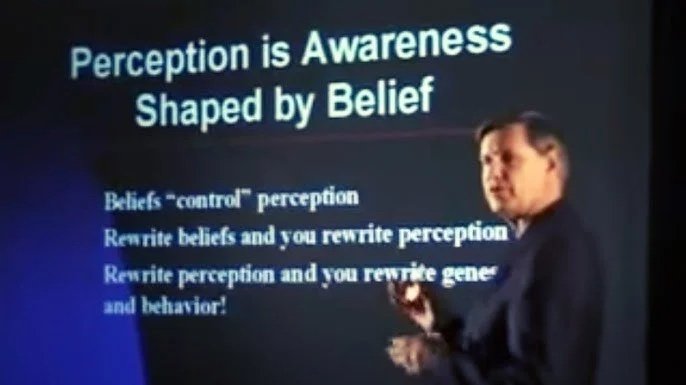
the psychology of change - rob williams
-
in The Psychology of Change, Rob Williams explains how the subconscious mind drives behaviour and why meaningful change often happens beneath conscious awareness. he explores how beliefs formed through experience can continue to shape patterns long after they’re no longer helpful.
this perspective supports a more compassionate understanding of change — one that recognises resistance, repetition, and “getting stuck” as signals of deeper subconscious patterns rather than personal failure.
ready to explore this work?
if this approach resonates with you, i’d love to connect with you on a free discovery call.